MiSTer FPGA: Revolutionizing Retro Gaming Hardware Emulation
USA, Thursday, 24 October 2024.
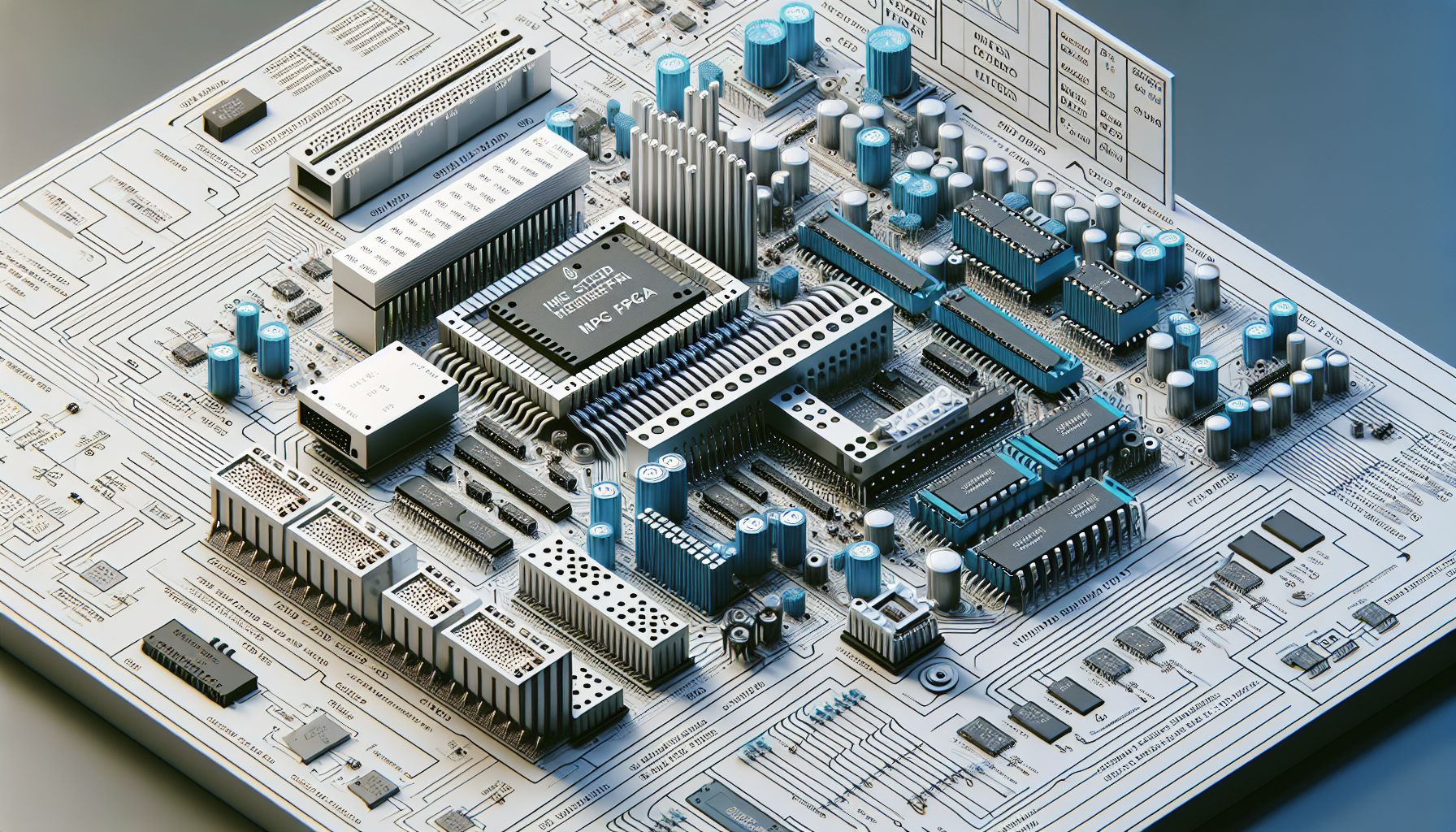
MiSTer FPGA, an open-source project, is transforming classic gaming emulation. Using FPGA technology, it offers cycle-accurate emulation of vintage consoles and computers, providing an experience remarkably close to original hardware with minimal lag.
Exploring the MiSTer FPGA Platform
At the heart of the MiSTer FPGA project lies the DE-10 Nano FPGA chip, a cornerstone for its precise hardware emulation capabilities. Unlike traditional emulators that rely on software to mimic the behavior of vintage consoles, the MiSTer FPGA uses field-programmable gate array (FPGA) technology to replicate the original hardware’s circuitry. This approach ensures that the timing and functionality of retro games remain true to their original form, offering enthusiasts an unparalleled emulation experience. The platform supports up to 5th generation gaming consoles and even a 486DX 33 MHz PC, making it a versatile choice for gamers interested in a wide range of systems[1].
Key Features and Performance
MiSTer FPGA stands out with its support for various controller types including USB and Bluetooth devices. This flexibility allows users to choose their preferred input method while maintaining low latency, especially with USB connections[1]. Additionally, the platform offers sharp scaling and multiple video output options, ensuring that visuals are crisp and clear across different display types. Audio output is equally impressive, accommodating various configurations to suit different setups. Installation requires basic computer skills such as flashing an image onto a micro SD card and organizing ROMs, which may appeal more to tech-savvy users[1].
Comparing Alternatives and Pricing
For those considering alternatives, the MiSTer Pi offers a more budget-friendly option at $180, compared to the MiSTer FPGA’s $455 package price. However, the MiSTer FPGA is often lauded for its superior emulation fidelity, which some users describe as ‘next level’ and as close to original systems as possible[1]. The QMTech Full MiSTer Kit presents another option with a complete setup priced at $159, though it requires specific cases and IO boards. Users must weigh these options based on their emulation needs and budget constraints[4].
Pros and Cons of MiSTer FPGA
One of the primary advantages of the MiSTer FPGA is its ability to deliver a hardware emulation experience that significantly reduces the lag commonly associated with software emulators. Enthusiasts highlight the potential for even less latency when using original console controllers paired with a SNAC adapter, which connects directly to the FPGA chip[1]. However, potential drawbacks include the initial setup complexity and the need for some technical know-how, which might deter less experienced users. Moreover, while the hardware is robust, users seeking a more plug-and-play solution might find the configuration process demanding[1].
Recommendations for Different Users
MiSTer FPGA is highly recommended for hardcore retro gamers and enthusiasts who desire an authentic gaming experience that closely mirrors the original hardware. Its hardware emulation capabilities offer significant advantages over software alternatives, making it ideal for those who prioritize performance and accuracy. For casual gamers or those new to retro gaming emulation, the MiSTer Pi or QMTech options might present a more accessible entry point. These alternatives offer a balance of cost and functionality, though they may not match the MiSTer’s performance in every aspect[1][4].