Revive Your Old Laptop: Linux Proves More Cost-Effective Than Raspberry Pi
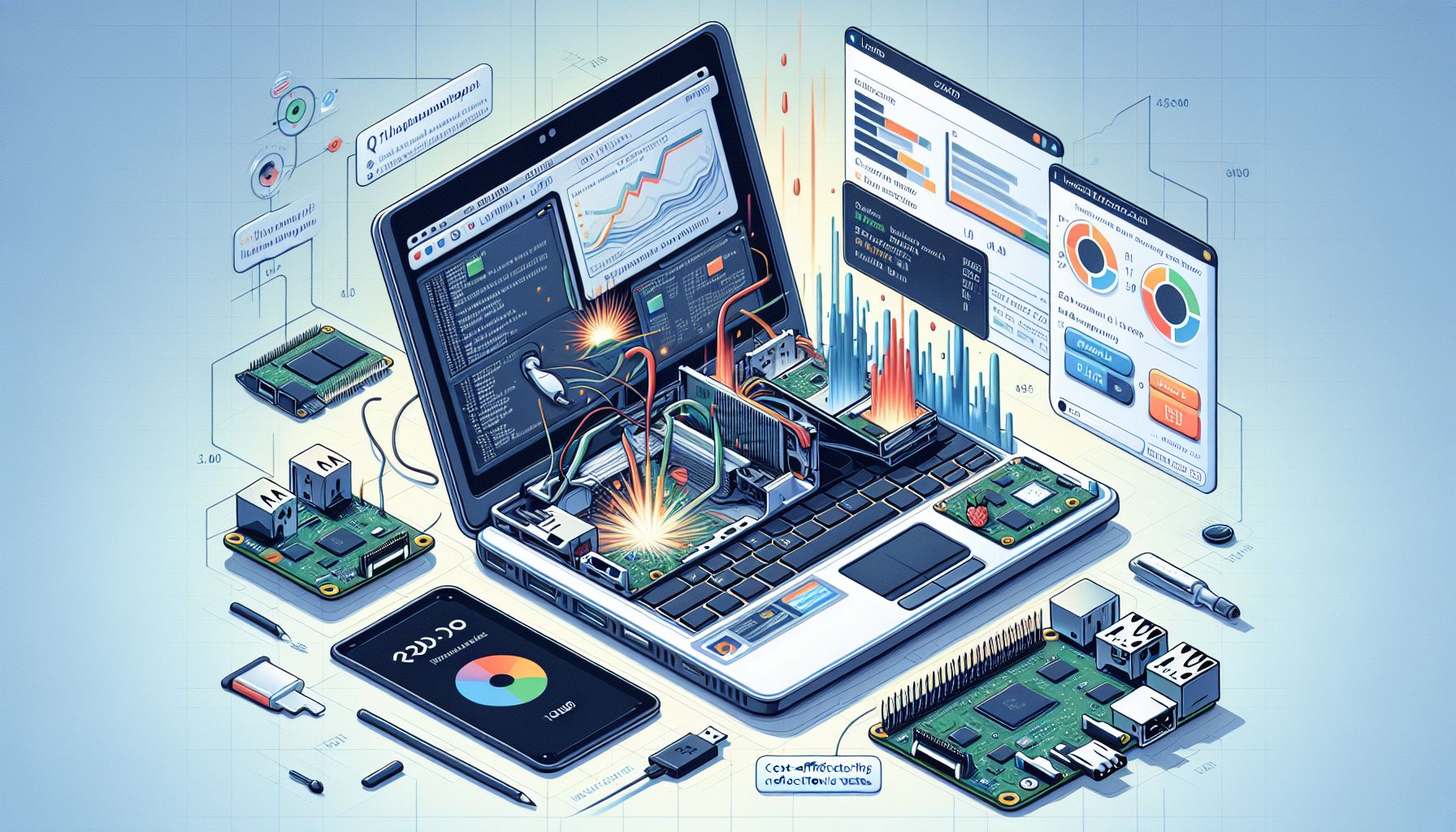
Global, Monday, 18 November 2024.
While Raspberry Pi 5 setups can exceed $140, repurposing old laptops with Linux offers a zero-cost alternative with built-in peripherals. Recent success stories show older machines, even from 2009, running smoothly with lightweight Linux distributions like Q4OS and Linux Mint, handling everyday tasks efficiently while reducing electronic waste.
The Economic Appeal of Linux on Old Laptops
In a world increasingly focused on sustainability and cost-effectiveness, repurposing old laptops with Linux is emerging as a pragmatic alternative to purchasing new devices like the Raspberry Pi. As highlighted by several enthusiasts, including the author of a detailed exploration on HowToGeek, the initial impulse to use a Raspberry Pi was outmatched by the practicality of an existing ASUS X551MA laptop, which matched the Pi’s specifications of a dual-core processor and 4 GB RAM[1].
Performance and Practicality
The ASUS laptop, despite its age, could efficiently handle basic tasks such as email, web browsing, and light coding after being equipped with a lightweight Linux environment. This performance is comparable to that of a Raspberry Pi, but with the added advantage of integrated peripherals like a screen and keyboard, which are not included in the Raspberry Pi kits[1]. Additionally, the transition from Windows to Linux can significantly enhance the usability of older laptops, as evidenced by numerous personal stories shared on platforms like Reddit. Users report smoother operations and fewer crashes on Linux, even on hardware that struggled with Windows updates and software bloat[2].
Lightweight Linux Distributions: A Game Changer
Choosing the right Linux distribution is crucial for optimizing older hardware. Distributions like Q4OS and Linux Mint have been particularly successful in reviving older machines. The 2009 Sony Vaio CS3, initially lagging under Windows 10, experienced a dramatic performance boost with Q4OS, which halved boot times and enabled smooth video playback. Similarly, Linux Mint has been praised for its ease of use and minimal resource demands, making it a favorite among users seeking efficient solutions for outdated laptops[3][4].
Environmental and Educational Benefits
Beyond just cost savings, the movement towards installing Linux on older laptops also aligns with environmental goals by reducing electronic waste. Instead of discarding potentially useful hardware, these laptops are given a new lease on life, contributing to sustainable computing practices. Moreover, this approach offers educational benefits, providing a platform for learning and experimenting with Linux systems without the financial barrier of purchasing new equipment. This is particularly beneficial in educational settings where budgets are tight, and the need for reliable computing resources is high[5].
Conclusion: A Practical Path Forward
In conclusion, installing Linux on old laptops presents a compelling case for those looking to achieve cost-effective and sustainable computing. The process not only enhances the performance of outdated hardware but also supports environmental sustainability efforts. As the end of support for Windows 10 approaches, more users are likely to explore Linux as a viable alternative, extending the life of their devices and contributing positively to both their personal finances and the planet.